Powering Your Future with Sustainable Solar Solutions.
Engineering & Design Solutions
Site Inspection & Feasibility Assessment
Shadow Evaluation & System Layout Design
Electrical Engineering Design (SLD, GA, Grounding & Lightning Protection)
Load Analysis & Capacity Planning
Procurement
Premium Tier-1 Solar Panels
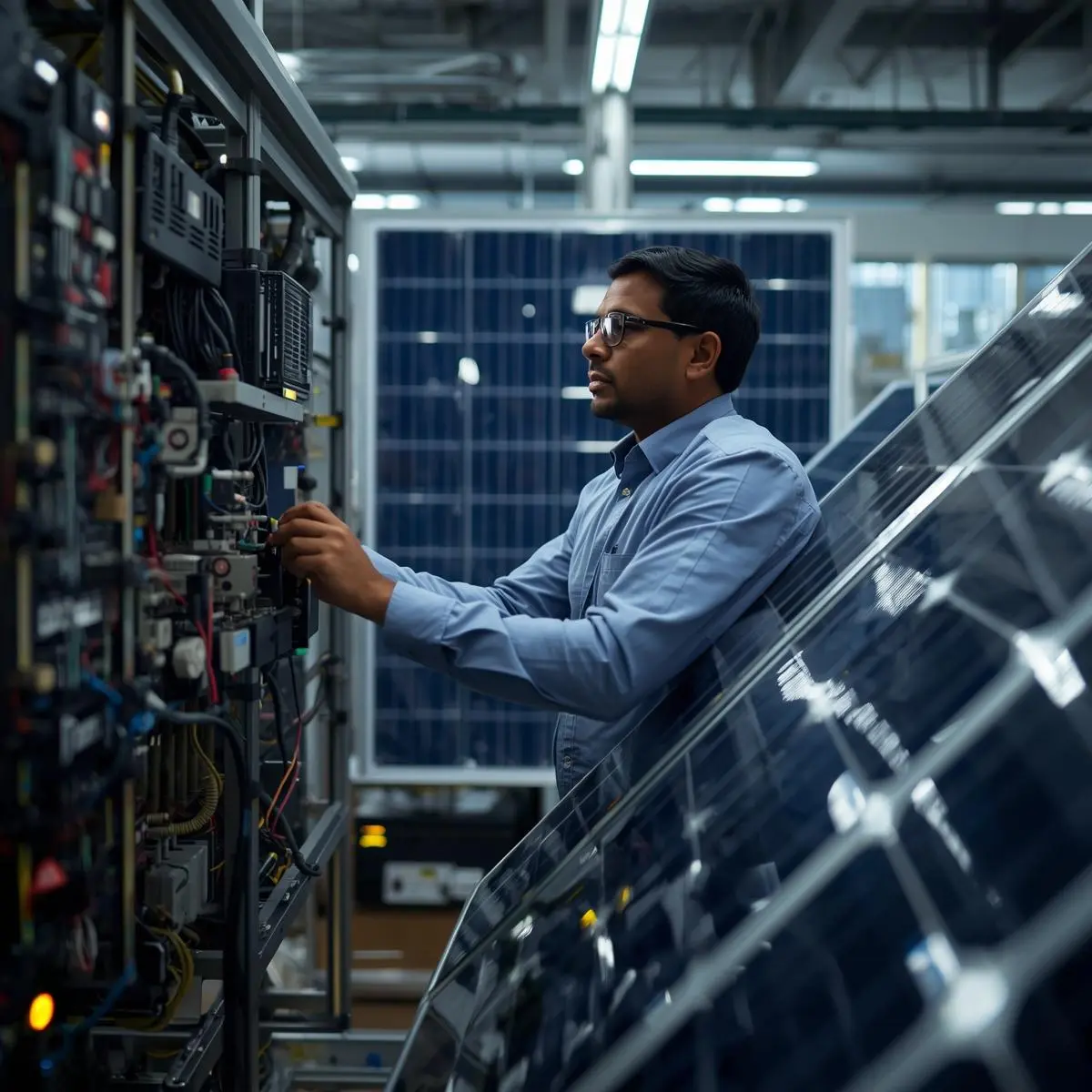
High-Performance Energy Inverters
Complete Solar Balance of System
Fully Certified & Quality-Tested Components
Structural Development & Installation
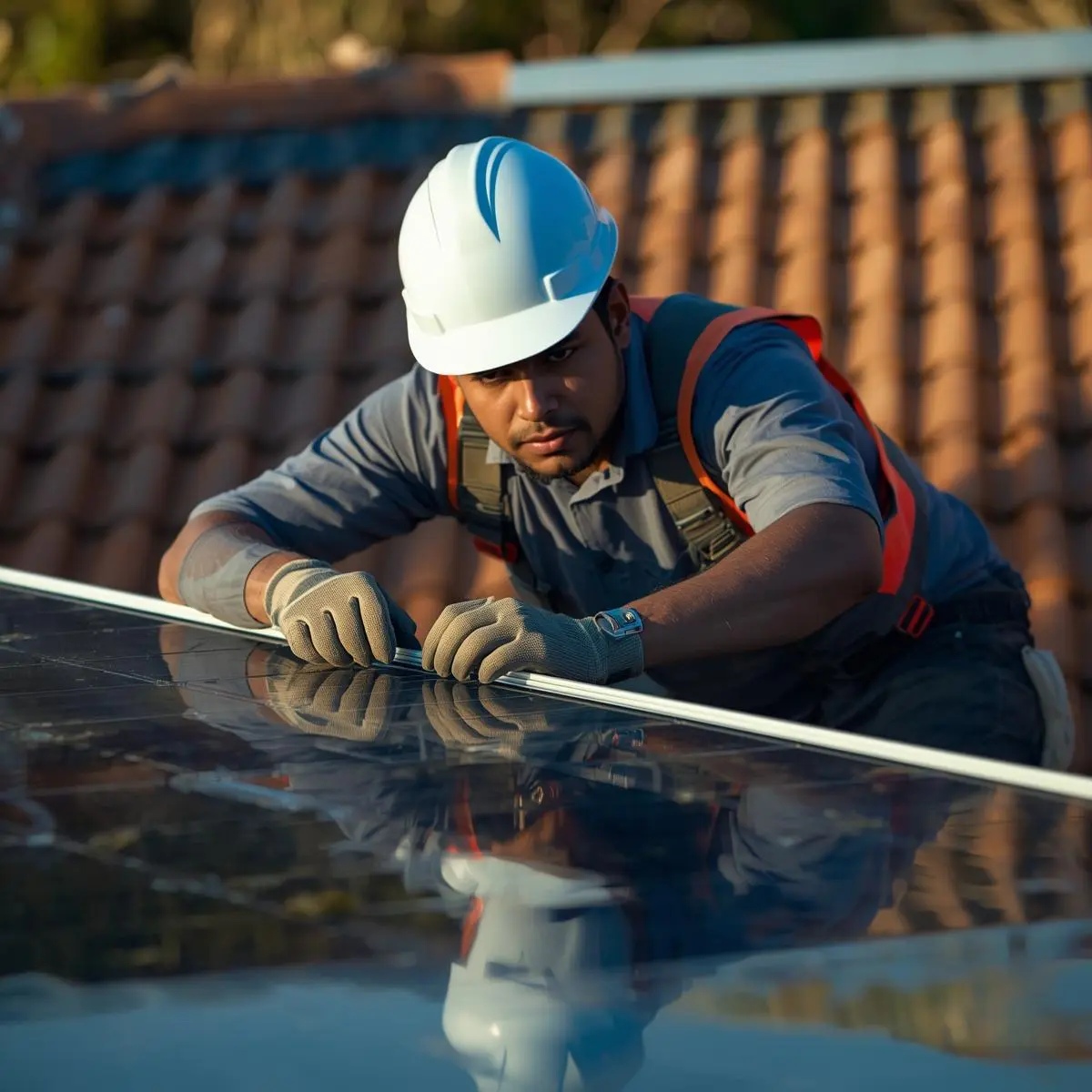
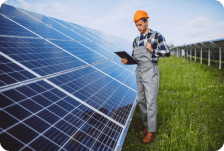
Installation of Module Mounting Structures
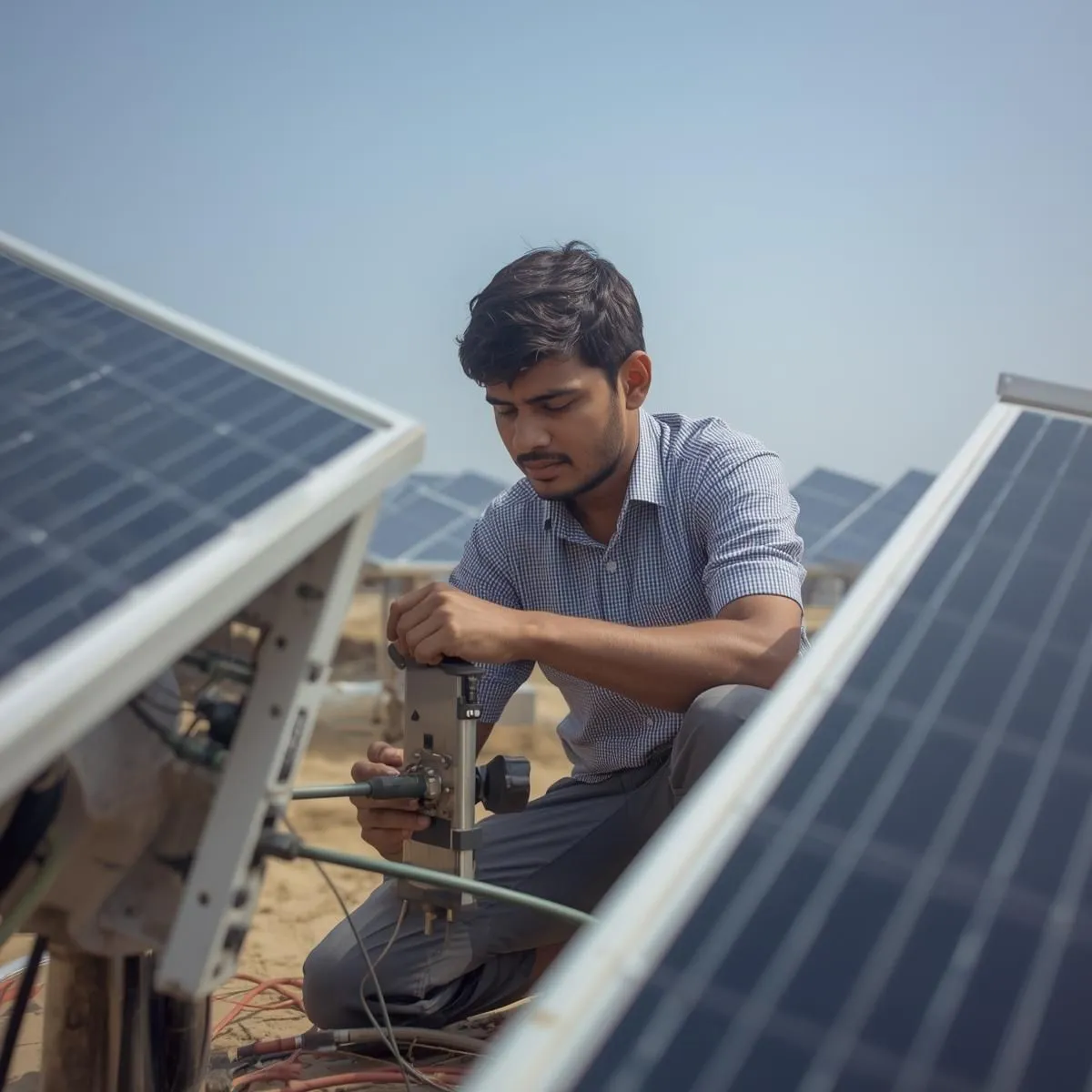
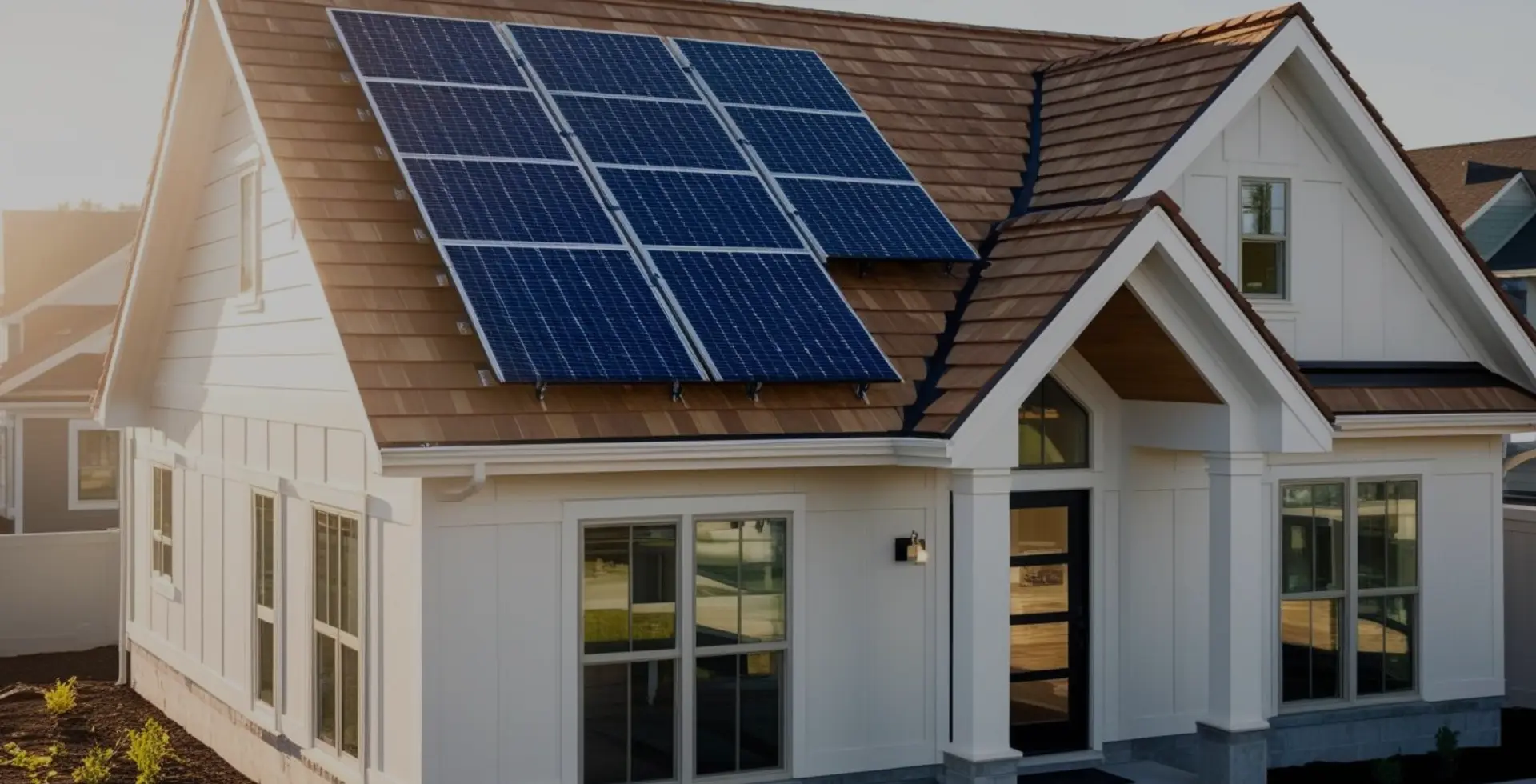
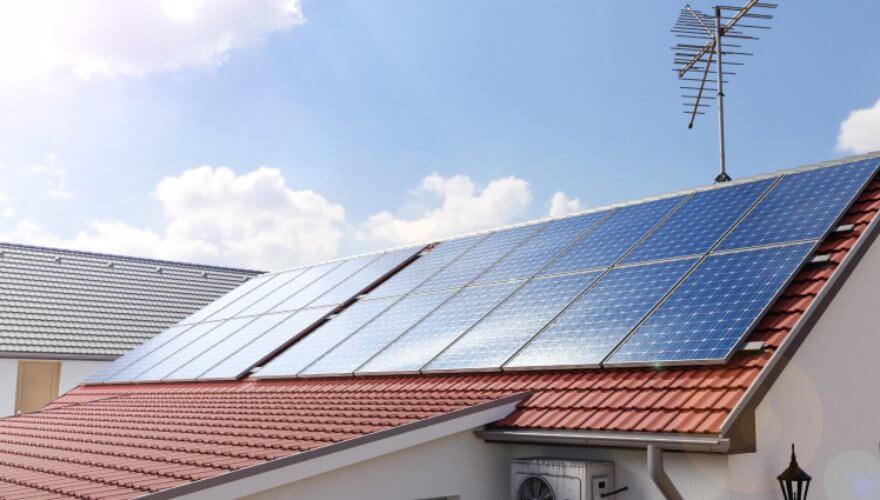
Solar Module & Inverter Setup
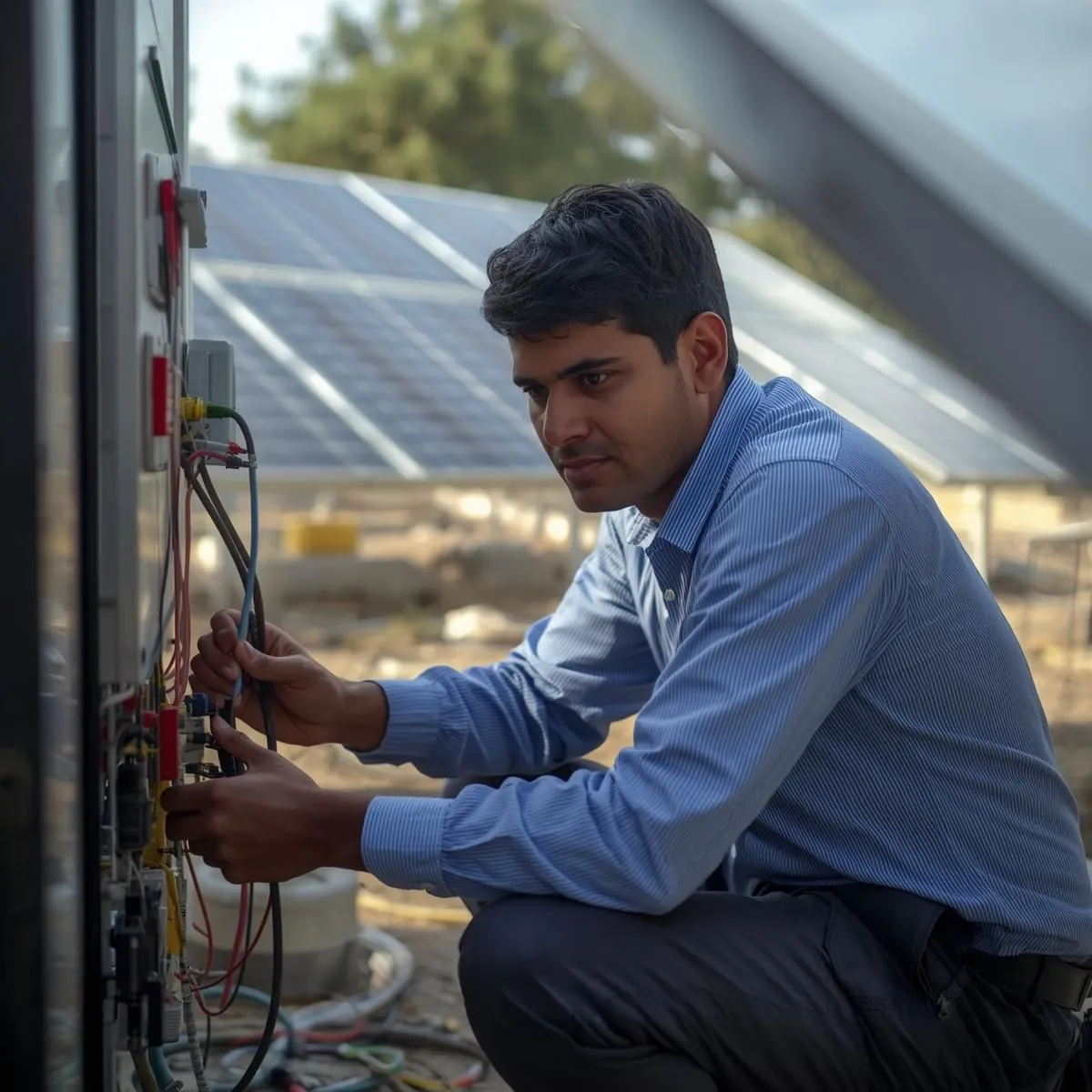
DC & AC Electrical Cabling Works
Grounding & Lightning Protection System Installation
Inspection & Commissioning
Pre-Operational Inspection & System Checks
Performance Evaluation & Testing
Grid Integration & Synchronization
Safety Standards & Regulatory Compliance Verification
We Have Experienced More THan 80 Years
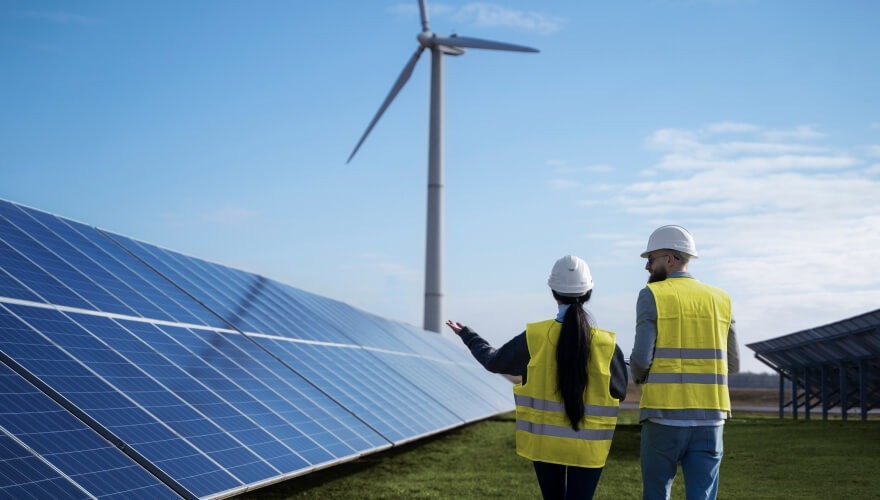
Produce Your Own Clean Save The Environment
- Experienced Team of Experts
- Vary first Customers Service
- Flexible Work Environment
- Provide Quality Service
- Experienced Team of Experts
- Vary first Customers Service
- Flexible Work Environment
- Provide Quality Service
- Experienced Team of Experts
- Vary first Customers Service
- Flexible Work Environment
- Provide Quality Service
Produce Your Own Clean Save
The Environment
Call us today: +91-9311936668 or  Email us: info@parchangren.com
Frequently Ask Questions
Solar energy is the radiant light and heat from the sun, captured and converted into usable electricity or heat through technologies like solar panels. It works primarily via the photovoltaic effect, where sunlight strikes semiconductor materials in solar cells—typically silicon—exciting electrons to create a direct current (DC) flow. This DC electricity is then converted by inverters into alternating current (AC) for powering homes, businesses, or the grid, offering a clean, renewable alternative to fossil fuels.
The energy output from solar panels varies based on panel size, efficiency, location, and sunlight hours, but a typical 400-watt residential panel produces 1.2 to 1.8 kWh per day under average U.S. conditions with about 4-5 peak sun hours. In sunnier regions like parts of India, expect closer to 1.6-2.5 kWh daily from high-efficiency models, translating to 400-650 kWh annually per panel after accounting for factors like shading and inverter losses. For a full home system of 20 panels (around 8 kW total), this could generate 25-40 kWh daily, enough to power typical household needs while reducing electricity bills significantly.
write 3 lines paragraph
Highest Rated Company
Dui maecenas tempus laoreet nec nullam fringilla luctusoi eros quam pellentesque cras dictum fermentum, conubia eu egestas velit netus dictumst.
4.9/5
Trust Score Rated
Rated by over 5000 customers
Our Latest Projects